
Grieving Your Loss
Grief is one of the hardest things you'll ever do. Not because you're doing it wrong, but because no one teaches you how. You might be grieving the death of someone you loved. You might be grieving a version of yourself or a life you thought you'd have. You might be grieving a relationship that ended, an identity you lost, a future that won't happen. You might be grieving and no one around you seems to understand why it matters so much. You might be grieving and everyone else has moved on and you feel like you can't talk about it anymore. You might be grieving and it feels lonely in a way you didn't know was possible. Grief is real. Your grief is real. And you don't have to do this alone.
What is Grief?
Grief is the price of love. It's the response to loss, and loss comes in many forms. You might grieve the death of someone you loved. You might grieve the end of a relationship. You might grieve a version of your future that won't happen. You might grieve the loss of your health or ability. You might grieve an identity you thought you had. You might grieve the way things were before everything changed.
Grief isn't something to get over. It's not a problem to solve or a destination you reach. It's a process of honoring what was and learning how to carry that loss forward. It's about remembering. It's about keeping connection with what you lost, not severing it.
Grief is also complicated. It's not just sadness. It's anger, guilt, confusion, relief, love, resentment, numbness, and waves of heartbreak all mixed together. Some days you're fine. Other days a song or a smell or a date on the calendar hits you and you're back in it. Grief is not linear. There's no right way to do it. There's no timeline. There's no 'moving on.' There's only moving through it, carrying it, and learning to live with it.
One loss can open old wounds. A death might remind you of other people you've lost. A relationship ending might trigger grief from a parent you lost years ago. A diagnosis might open grief about losses you didn't know you were carrying. This is normal. Loss has a way of connecting to all our other losses.

Why Grief is So Hard
Grief is hard because you're not just dealing with the loss itself. You're dealing with a world that doesn't know how to hold grief. Our culture doesn’t give enough time for grief. Most people get maybe 3 days off work, if it’s an immediate family member. Then are expected to carry on with work even though your brain and your heart are raw from grief.
People say stupid things. They tell you to be strong, to move on, to think about the good memories, to stop being sad. They mean well, but their words make you feel alone. They make you feel like there's something wrong with you for still being sad months or years later. They make you feel like you're supposed to be over it by now.
The loneliness of grief is its own kind of pain. Everyone around you moves on. They go back to their lives. But you're still here, and your person is still gone. You can't talk about it anymore because you feel like you've exhausted people's patience. So you carry it alone. You smile when you need to. You don't mention your grief because you don't want to bring down the mood. The loss becomes something you carry silently.
Grief is also hard because it's complicated. You might be grieving someone you had a complicated relationship with. You might feel angry alongside sadness. You might feel relief mixed with guilt. You might feel grateful for the time you had and devastated that it's over. These contradictory feelings don't cancel each other out. They coexist. And that complexity can make you feel even more alone, like your grief is wrong because it's not pure sadness.
If you're grieving a loss by suicide, there's another layer of complexity. There's shock, confusion, anger, guilt, the question of why, the replaying of moments. There's the stigma and the way people don't know what to say. There's the loneliness of grieving someone and grieving the way they died. That loss carries its own weight.

One Loss Opens the Wounds of Others
Sometimes a new loss doesn't just hurt on its own. It opens wounds from losses you thought you'd already processed. A death might remind you of other people you've lost. An anniversary might hit differently this year because you're already grieving something else. A relationship ending might trigger all the abandonment you've felt before. A health diagnosis might bring back grief about losing your sense of safety or your imagined future.
This is normal. It's not a sign that you're not healing. It's how grief works. Loss connects to all our other losses. It reminds us of what we've been through. It can feel like you're grieving multiple things at once, or like one loss has become many losses.
Understanding this can help. When you feel overwhelmed by grief, it might not just be about what's happening right now. It might be connected to something older, something deeper. We can work with that. We can untangle what belongs to what loss. We can honor each one.

How Grief Shows Up
Grief shows up differently for different people, and it can change day to day. Some days you feel sadness. Other days you feel numb. Some days you're angry. Some days you feel guilty about things you did or didn't do. Some days you feel relief, and then you feel guilty about that relief. Some days you feel fine and then something small hits you and you're crying.
Grief can show up physically. You might have trouble sleeping or sleep too much. You might lose appetite or eat when you're not hungry. You might feel exhausted even when you're not doing anything. You might feel physical pain or heaviness in your chest or your body.
Grief can show up as memory loss. You can't remember things that usually come easily to you. You can't focus at work or in conversation. You feel scattered and confused.
Grief can show up as isolation. You don't feel like seeing people. You don't feel like talking. You feel like no one understands. You feel like your grief is too much and you don't want to burden anyone.
Grief can show up as complicated feelings. You might love someone and also be angry at them for leaving. You might feel relief that their suffering is over and devastation that they're gone. You might feel grateful for what you had and heartbroken that it's not here anymore.
All of this is normal. There is no right way to grieve.
Remembering and Honoring What Was
Grief work isn't about moving on or getting over it. It's not about reaching a finish line by a certain timelines where you stop feeling sad. Grief work is about remembering. It's about keeping connection with what you lost. It's about honoring what was and learning how to carry that loss forward into the rest of your life.
This might mean talking about the person you lost or the life you thought you'd have. It might mean telling stories. It might mean crying, or getting angry, or sitting in the confusion. It might mean creating rituals that honor what was. It might mean writing, or art, or music. It might mean doing nothing but sitting with the sadness and knowing that's enough.
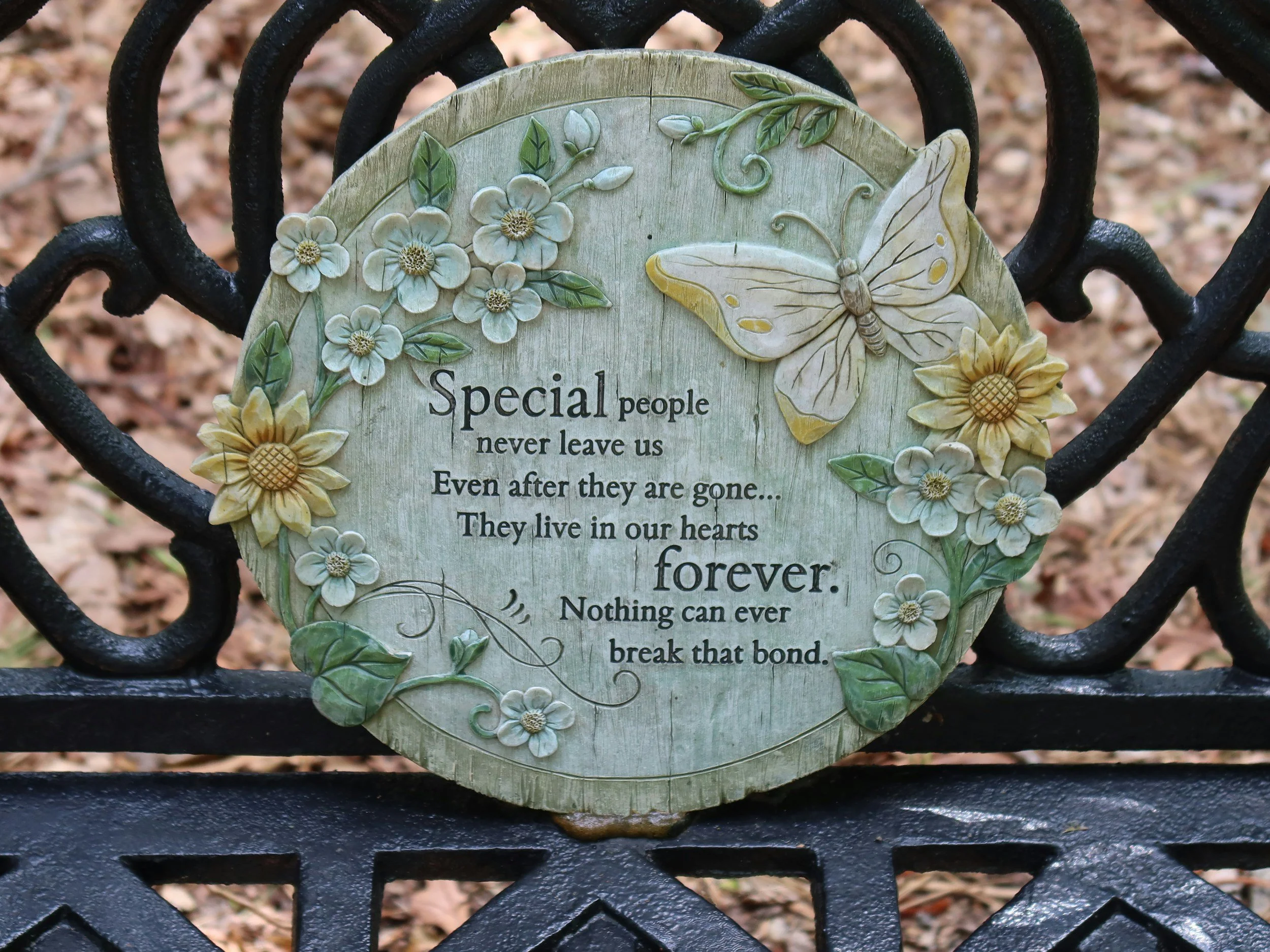
Healing doesn't mean you stop missing them. It doesn't mean you stop talking about them or thinking about them. It means you find ways to carry them with you. You build a life that includes their memory. You honor their impact on you. You keep loving them in a way that works with your life now.
How I Work with You
This work is about creating a space where your grief is met with respect and understanding. A space where you can talk about your loss, your person, your sadness, your anger, your confusion, without being rushed. Without being told you should be over it by now. Without being told to move on.
What this work looks like depends on you and what you need. Sometimes we do somatic or experiential work, using your body and movement to process what words can't say. Sometimes we use sandtray to externalize what's happening inside you, to give your grief a container and a form. Sometimes we simply create a space where you can talk about it. Where your loss matters. Where your person is honored. Sometimes we do psychoeducation, helping you understand that what you're feeling is normal and that there's no timeline for grief.
If your grief has opened old wounds or triggered past losses, we work with that too. We untangle what belongs to what. We honor each loss. We work with the complicated feelings that come alongside grief.
If you're grieving a loss by suicide, we address the specific complexity of that. The shock, the questions, the guilt, the anger. We create space for all of it. We don't minimize it or rush you through it.
If you're grieving while also carrying trauma, neurodivergence, or other losses, we hold all of that. Grief doesn't happen in isolation. It happens in the context of your whole life and everything else you're carrying.
This is about remembering and honoring what was. About keeping connection. About building a life that carries your loss forward. About learning to live with heartbreak in a way that honors both your past and your future.

You Don't Have to Grieve Alone
If you're grieving a loss, let's talk. I offer a free consultation to explore what you're experiencing and see if we're a good fit. Grief deserves to be witnessed and honored.