
Healing from What Happened in Childhood
If you grew up in an environment where your needs weren't consistently met, where you learned to be hypervigilant, or where love felt conditional, you're not alone. What happened in childhood doesn't define you, but it lives in your nervous system. The good news? Your nervous system can learn something new.
Healing from What Happened in Childhood
If you grew up in an environment where your needs weren't consistently met, where you learned to be hypervigilant, or where love felt conditional, you're not alone. What happened in childhood doesn't define you, but it lives in your nervous system. The good news? Your nervous system can learn something new.
What is Childhood Trauma?
Childhood trauma isn't just the big events. It's the accumulated impact of growing up in environments where you weren't fully safe, seen, or supported. This might look like emotionally immature or narcissistic parenting, inconsistent care, neglect, abuse, or even "good enough" parenting that came with messages that your needs were too much. It can be named incidents or the subtle, chronic experience of not mattering.
Childhood trauma lives in your body. You might notice it as anxiety that won't quiet, a constant sense of hypervigilance, difficulty trusting others, perfectionism, shame that feels bone-deep, or a disconnection from your own needs and desires. Some people describe it as feeling fundamentally broken or like they're always waiting for the other shoe to drop.

How Childhood Trauma Shows Up
Common patterns include difficulty setting boundaries, struggling to believe you're worthy of care, attracting people who repeat old relational patterns, difficulty being vulnerable, or finding yourself in caretaker roles. You might have a hard time being still or relaxed, or you might notice you're a high achiever trying to earn your worthiness. Some people experience dissociation, where parts of their experience feel disconnected or numb.
The nervous system response to childhood trauma is real. Your body learned certain survival patterns early, and it's still protecting you with those patterns even though you're safe now.
How I Work with Childhood Trauma
I work slowly and collaboratively, meeting you where you are. My approach integrates trauma-informed therapy with body-based practices because childhood trauma isn't just in your mind, it lives in your nervous system and your body.
I use evidence-informed approaches like ACT (Acceptance and Commitment Therapy) and DBT (Dialectical Behavior Therapy) alongside somatic awareness practices, mindfulness, and when appropriate, sandtray therapy. Sandtray work is particularly powerful for childhood trauma because it allows you to externalize and explore experiences that might be too painful or fragmented to talk about directly.
The goal isn't to just understand what happened. It's to help your nervous system learn that you're safe now, to rebuild your relationship with yourself, and to help you reclaim choice in how you move through the world. This is real, body-level healing.
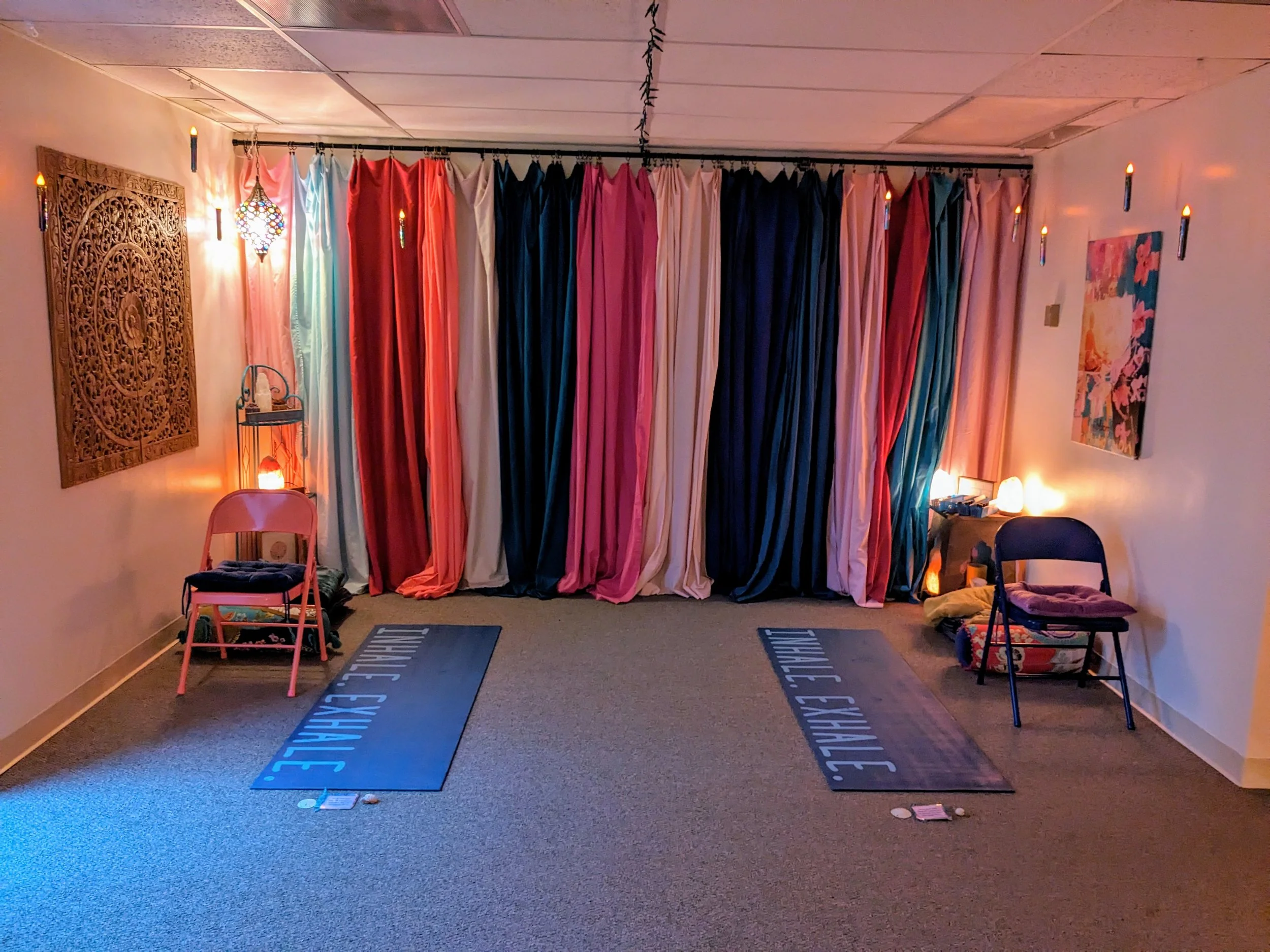
You Don't Have to Carry This Alone
If you grew up in an environment that didn't prioritize your wellbeing, that impact is real. And healing is possible. It takes time, collaboration, and a genuine commitment to your own growth, but you can build a different relationship with yourself and your past.
I'm here to help you do that work.
Ready to Begin?
If this resonates with you, let's talk. I offer a free consultation to see if we're a good fit.